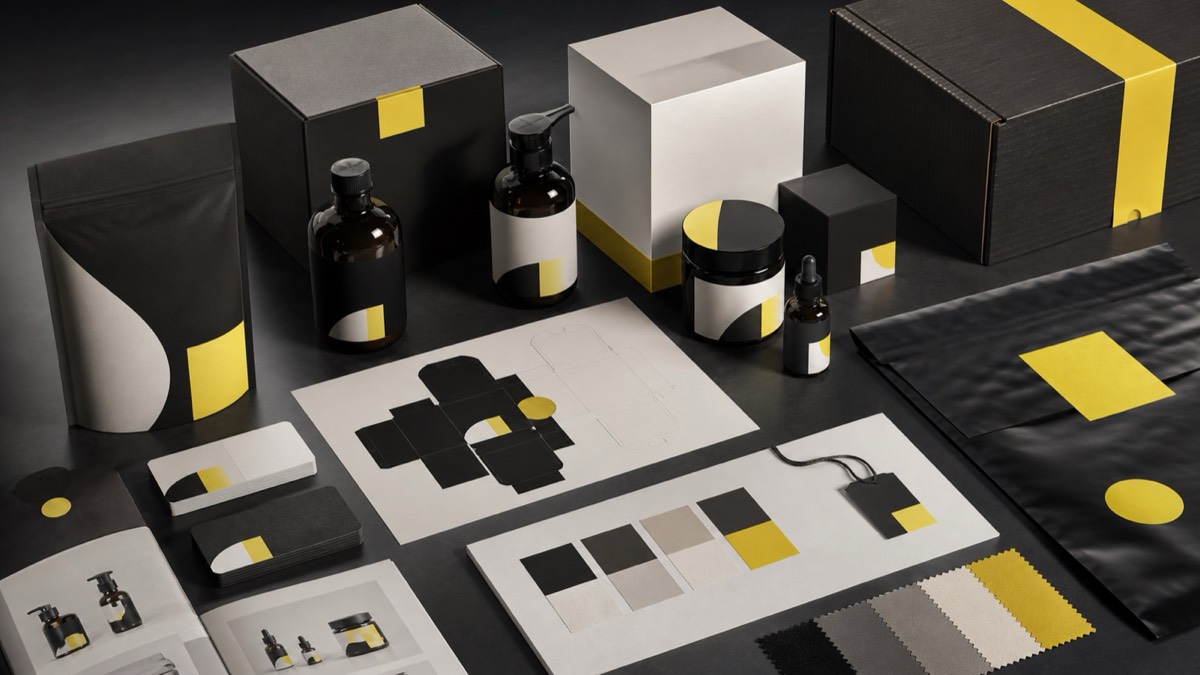
Private label sellers often focus on the listing first and brand identity second. That can work for a quick launch, but it becomes limiting as soon as the product needs packaging, A+ Content, storefront assets, inserts, ads, and new variations. A clear brand identity makes every visual decision easier and more consistent.
Brand identity is not only a logo. It is the visual system that tells shoppers what kind of product they are buying: premium, practical, natural, technical, playful, luxury, minimal, or professional. On Amazon, this system must work quickly because shoppers compare options in seconds.
Define the Brand Position First
Before designing packaging or listing images, define the position of the brand. Who is the product for? What problem does it solve? What feeling should the customer have when they see it? What competitors are already owning the category visually?
A premium leather care brand should not look the same as a budget cleaning accessory. A wellness product should not use visuals that feel harsh or generic. Positioning gives the design direction a reason, and that reason keeps the brand from becoming random.
Build a Practical Visual System
A private label brand system should include logo usage, color palette, typography, icon style, product photo direction, packaging rules, and marketplace layout standards. These pieces make the brand repeatable across every asset.
Consistency helps shoppers recognize the product family. It also makes future work faster. When a new product launches, the designer does not need to invent everything again. The system already defines how the product should look and feel.
Use Packaging as a Trust Signal
Packaging affects perceived value before the customer reads a single bullet. Clean structure, strong hierarchy, material quality, and accurate product information can make a private label product feel established. Poor packaging can make even a good product feel low trust.
Packaging should also support the Amazon listing. The front panel, side details, icons, and claims should match what appears in the product images and A+ Content. This creates a unified experience from search result to unboxing.
Connect Brand Identity to Conversion
Good branding is not separate from sales. It supports conversion by making the offer feel safer and more memorable. When the product images, packaging, typography, colors, and A+ Content all speak the same language, the shopper feels like they are dealing with a real brand instead of a generic listing.
This matters even more in crowded categories. If competitors use similar product photos and similar claims, brand identity can become one of the fastest ways to stand out without changing the product itself.
Frequently Asked Questions
Why does brand identity matter for private label sellers?
Brand identity builds trust, makes products easier to recognize, supports higher perceived value, and keeps packaging, listings, A+ Content, and storefront visuals consistent.
What should a private label brand system include?
At minimum, include logo usage, colors, typography, packaging rules, image direction, icon style, copy tone, and marketplace layout standards.
Should packaging design happen before Amazon images?
Ideally yes. Packaging defines the visual system that Amazon images, infographics, A+ Content, and storefront assets can build from.
Conclusion
Private label brand identity gives Amazon sellers a visual system they can scale. Define the brand position, build consistent rules, make packaging a trust signal, and connect every asset back to conversion. The result is a product that feels more professional, more memorable, and easier for shoppers to choose.